

Count, receive and ship without scanning one by one.
We design and deliver RFID for warehouses end to end: we test tags on your products, survey the site, install handheld and fixed readers, print and encode the labels, and connect every read to Planograma WMS and your ERP. Then we service it.




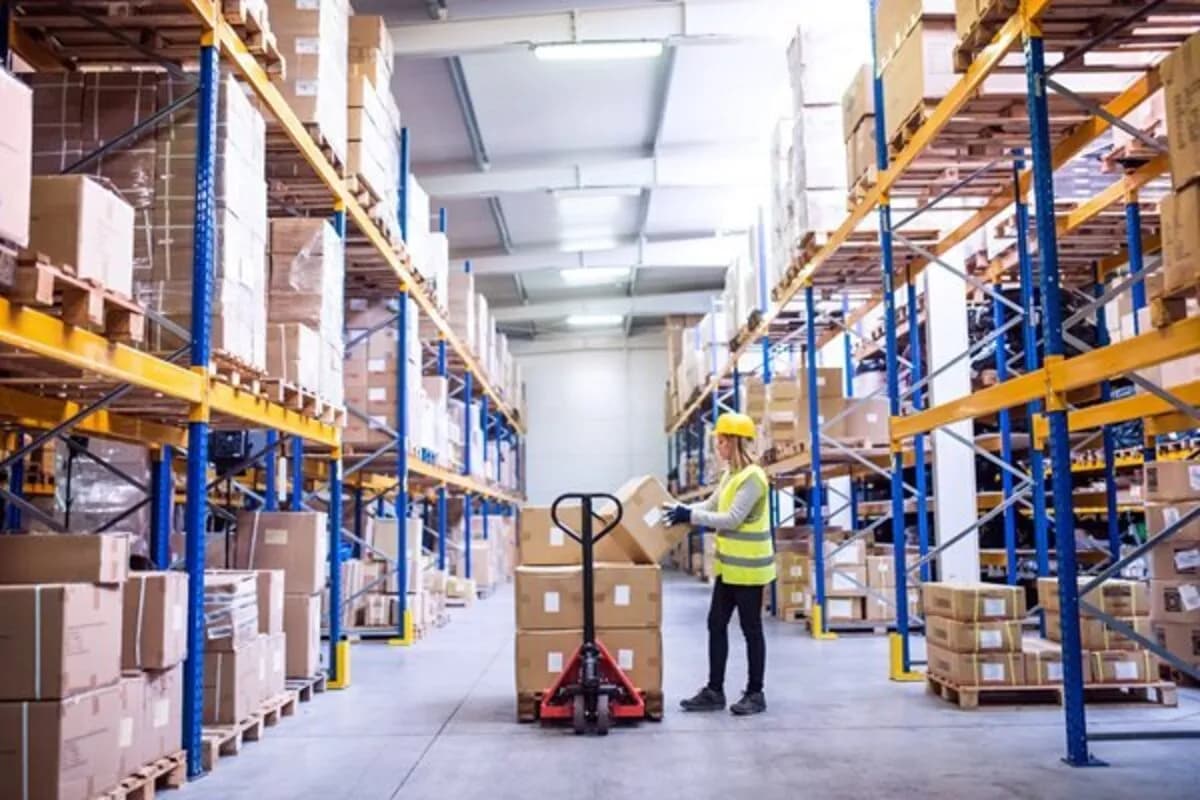
- Pallet 1SSCC …018948/48 ✓
- Pallet 2SSCC …019648/48 ✓
- Pallet 3SSCC …02022 missing
- Partners
- Zebra, Honeywell, Brady, Impinj
- Tag tests
- On your own products
- Integration
- Planograma WMS, your ERP
- Service
- By our own team
Where RFID pays off
Four jobs RFID does better than a barcode.
A reader sees every tag in range at once, without line of sight. That changes the jobs where people scan item by item today, or don't scan at all.

Stock counts with handheld readers
Walk the aisle with a handheld reader and every tagged item on the shelves is counted as you pass, cartons closed. A count that took days takes hours, and the reader guides you to the item you are looking for.
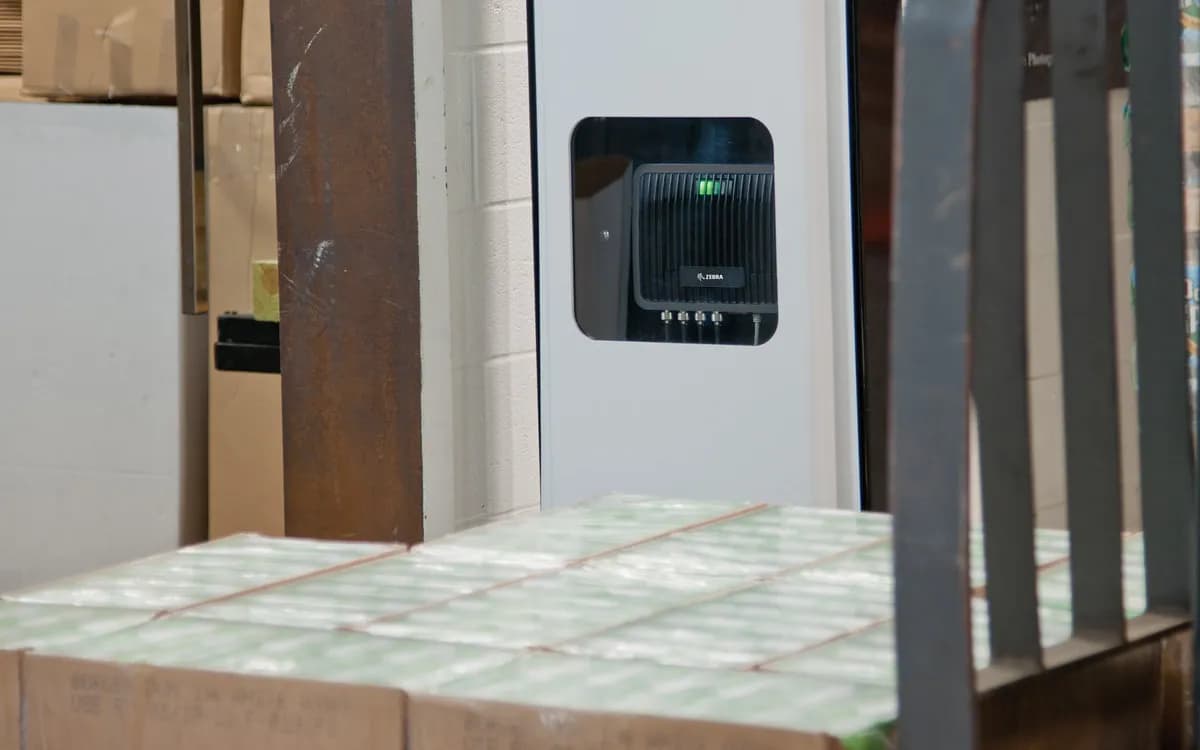
Portals at the dock doors
Fixed readers and antennas at the receiving and dispatch doors read the whole pallet as it goes through. Receipts are checked against the order and loads against the shipment, with nothing unpacked.
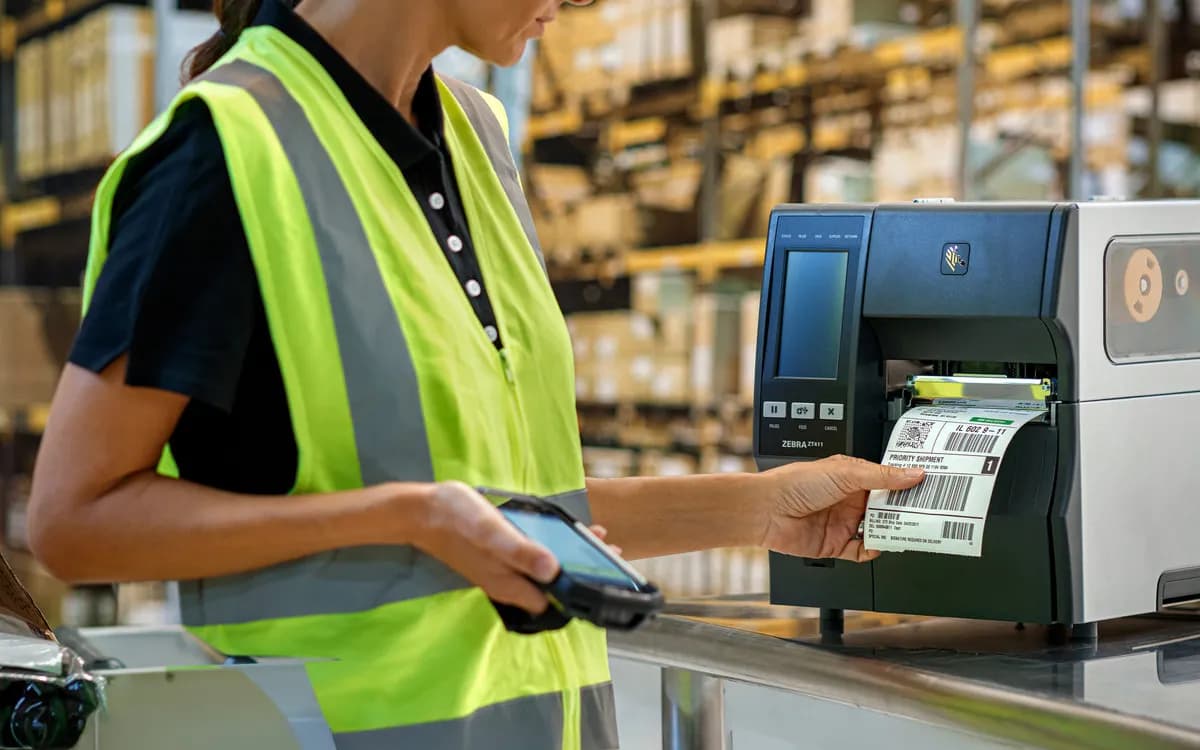
RFID labels and encoding
Printers from Zebra, Honeywell and Brady print and encode the tag in one pass. We choose and test the tag for your products, because metal, liquids and tight packing each read differently.
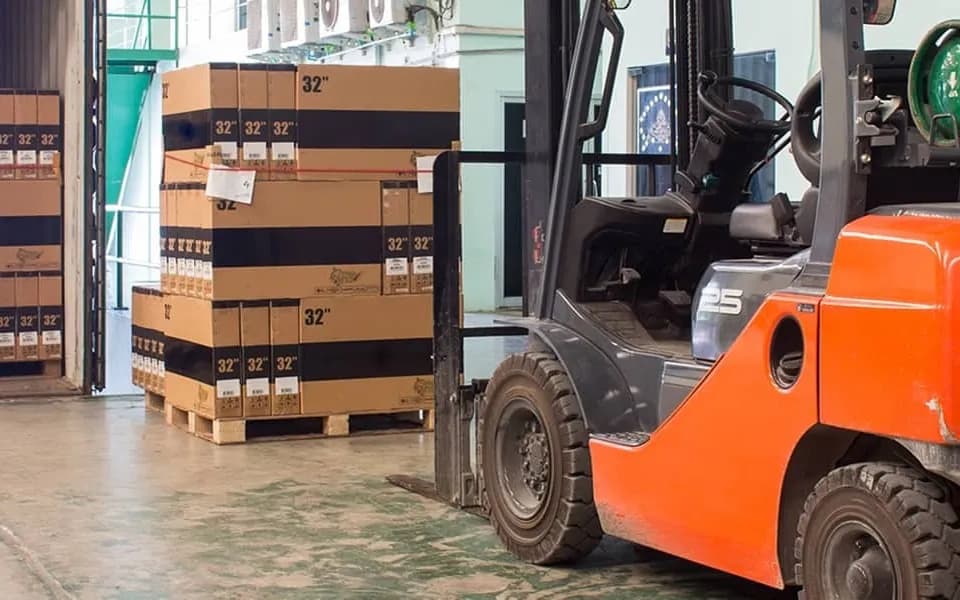
Assets and returnable packaging
Pallets, crates, roll cages and tools carry a tag, so you know where they are, how many are out with customers and which never came back.
Barcode or RFID?
Not one or the other. Each where it pays.
Barcode
One scan, one item
Cheap to print and read, and already on most goods. Each label has to be in the scanner's line of sight, one at a time.
- Lowest cost per label
- One item per scan, in sight
- Already on most products
RFID
Many tags at once, out of sight
A reader picks up every tag in range, through cartons and without aiming. The tag costs more; the gain is the time saved and the reads you no longer miss.
- Hundreds of tags in one read
- No line of sight needed
- Automatic reads at doors and gates
Most warehouses use both. The audit shows where RFID pays back and where a barcode is enough.
Technology partners
Readers, printers and tags from Zebra, Honeywell, Brady and Impinj.
We are partners of all four, and work with smaller specialist makers where a project needs them, so the hardware fits the job.
Handheld RFID readers and sleds, fixed readers and antennas, RFID printers and labels: the widest range from a single maker.
Rugged mobile computers, fixed readers and industrial printers that encode RFID labels at volume.
RFID labels and tags made for hard conditions, such as metal surfaces, cold, heat and outdoor use, and the printers that encode them.
Tag chips, fixed readers and gateways: the RAIN RFID technology inside many tags and read points.
Integration
Every read becomes a record.
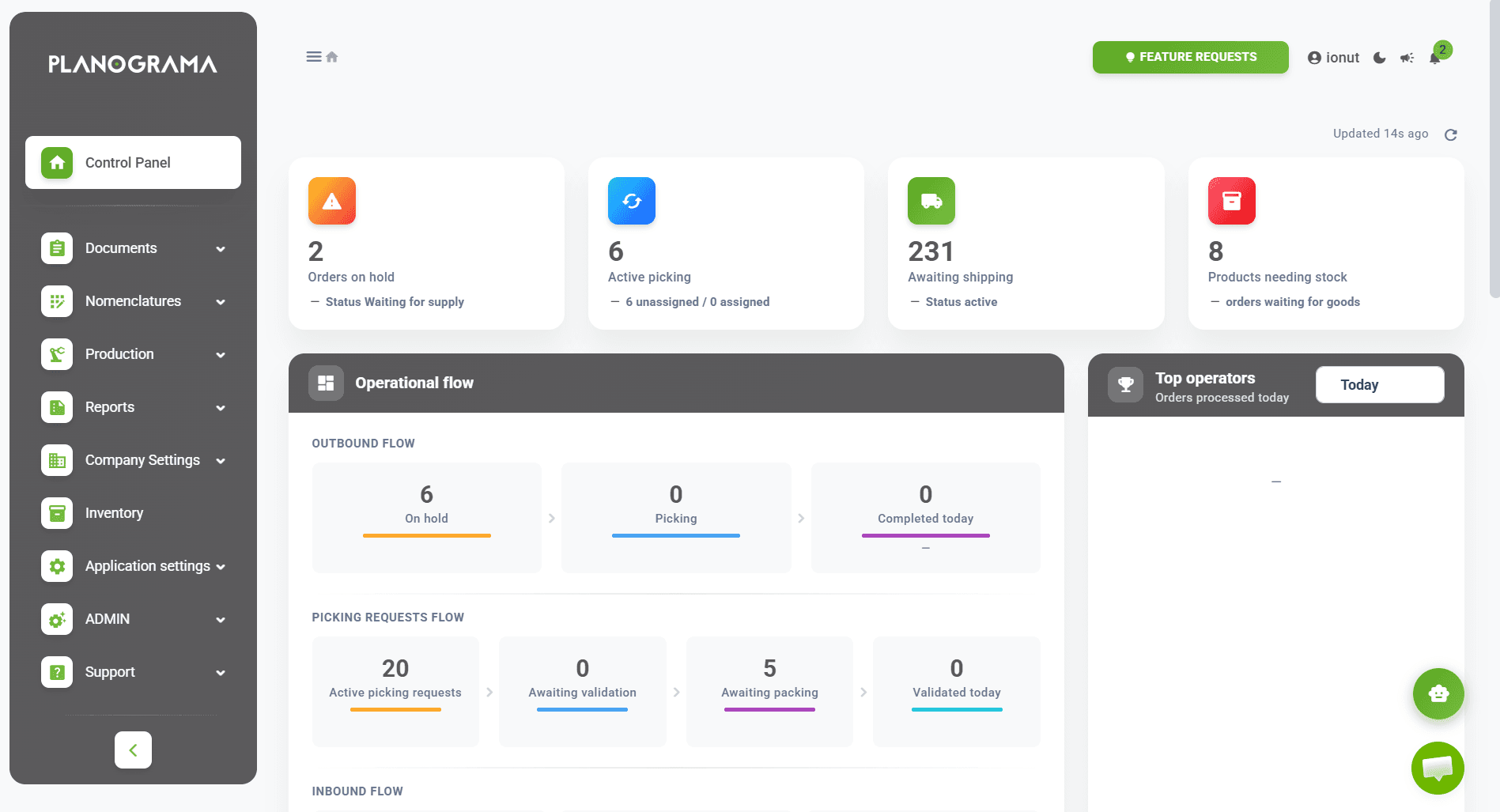
A read is only worth the decision it drives. Planograma WMS turns reads into receipts, moves, counts and shipments, shows what is missing or extra, and passes the result to your ERP.
- Counts reconciled with the stock in the WMS
- Receipts and loads checked at the door against the orders
- Each tag encoded for its item, lot or asset
- Results passed on to your ERP
Around the readers
The network, devices and labels RFID relies on.
RF and Wi-Fi site survey
We measure the site before anything goes on a wall: where the readers and antennas go, what interferes, and whether the Wi-Fi carries the data.
Mobile computers
Rugged Android devices with RFID sleds or built-in readers, for the people who count, receive and pick.
Barcodes where they pay
Barcode labels for locations and for goods where a tag isn't worth it, printed on the same printers.
How a project runs
One team, from the first tag test to everyday service.
- 01
Audit and business case
We look at your flows, products and volumes, and tell you where RFID pays back and where a barcode is enough.
- 02
Tag tests and site survey
We test tags on your own products and measure the site, so the design rests on real reads, not on datasheets.
- 03
Pilot and rollout
One door or one zone first. When the reads are right, we install the rest, connect your systems and train your people.
- 04
Service
Maintenance, tuning and support by our own team are part of the solution.
FAQ
Questions about RFID
Rarely completely. Most warehouses keep barcodes and add RFID where reading many items at once, or without line of sight, saves real time: counts, receiving, dispatch and returnable assets.
Both affect how a tag reads, so we choose tags made for them, such as on-metal tags, and test them on your products before anything is ordered.
Passive UHF RFID, also called RAIN RFID, the standard in logistics. In Europe it works on 865–868 MHz and reads from a few centimetres to several metres, depending on the tag and the reader.
Yes, and we recommend it: a pilot on one door, one zone or one product family shows the read rates and the savings before the rollout.
No. We connect the readers to the systems you already run. If you also need a WMS, Planograma WMS turns the reads into receipts, moves and counts.
Our own team, from the tag tests and the site survey to installation, integration, training and service.
Start with an audit of your flows.
Tell us how goods move through your site in the logistics audit questionnaire. We come back with where RFID pays back, and how we would set it up.